
How Haggling Really Works in the Grand Bazaar
Walk into the Grand Bazaar and someone will probably offer you tea before you've even picked something up. That's not a trick — it's how a conversation starts here. Haggling in Istanbul isn't a fight over a number. It's back and forth, mostly polite, and it usually ends with both sides smiling. Here's what actually happens, and what to expect if you've never done it before.
Walk into the Grand Bazaar and someone will probably offer you tea before you’ve even picked something up. That’s not a trick — it’s how a conversation starts here. Haggling in Istanbul isn’t a fight over a number. It’s back and forth, mostly polite, and it usually ends with both sides smiling. Here’s what actually happens, and what to expect if you’ve never done it before.
Tea Comes First
Sit down in a shop and someone often brings two small glasses of tea before you’ve said a word. This isn’t a special favour. It’s just how business happens here. Tea gives you time to look, and it gives the seller time to talk. Nobody expects you to buy something because you accepted a glass of tea. Some sellers pour it without even asking, others check first. Either way, it has nothing to do with what you decide to buy. Drink it, look around, ask questions. If you leave without buying anything, nobody minds.
A Conversation, Not A Fight
Haggling here isn’t something you win or lose. It’s closer to a normal chat about what an item is worth to you today. The seller names a starting point. You say what you’d actually pay for it. Then you both move a little, until you land somewhere you’re both comfortable with. A friendly tone gets you further than a stubborn one. Most sellers have had this exact conversation many times, and they enjoy it. Nobody is keeping score, and nobody expects to walk away feeling cheated.
How It Usually Starts
You pick something up, and the seller asks if you like it. That’s your opening. Ask what it costs, then take a moment before you answer. There’s no need to feel awkward about it. A simple counter-offer is enough to get the back and forth going. You don’t need a plan or a script. Keep your tone light while you do it. The tone matters more than the words you choose.
When Prices Don’t Move
Not every shop haggles. Some stalls, especially newer ones or those selling packaged goods, keep fixed prices and say so clearly. Look for a printed price tag, or just ask directly. Most sellers will tell you honestly if the number is set. Trying to haggle there won’t get you anywhere, and nobody expects you to try. That’s normal, not a sign you’re being avoided.
Walking Away Isn’t Rude
If a price doesn’t feel right to you, say thank you and walk on. That’s a normal part of how this works, not something that offends anyone. Nobody chases you down the corridor. Sometimes a seller calls out a better offer as you’re leaving. Sometimes they don’t, and the conversation simply ends there. Either way, you can come back the next day if you change your mind.
The Corridors Can Feel Endless
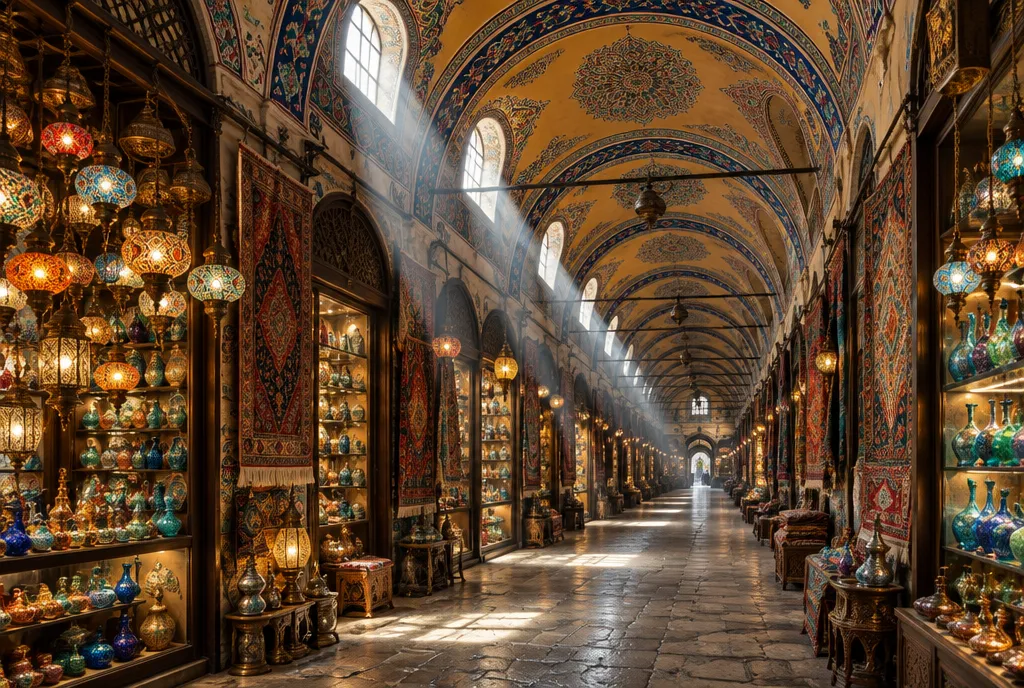
The Grand Bazaar holds thousands of small shops under one covered roof, with corridors that curve and cross without much warning. Ceramics sit near spices, and leather sits near lamps. The layout doesn’t sort itself by category. Give yourself time to get a little lost in it. Sellers often know their neighbours well, and can point you toward what you’re after. That’s part of what makes the place work, and it’s how you find something you weren’t even looking for.
What You’ll Find Along The Way
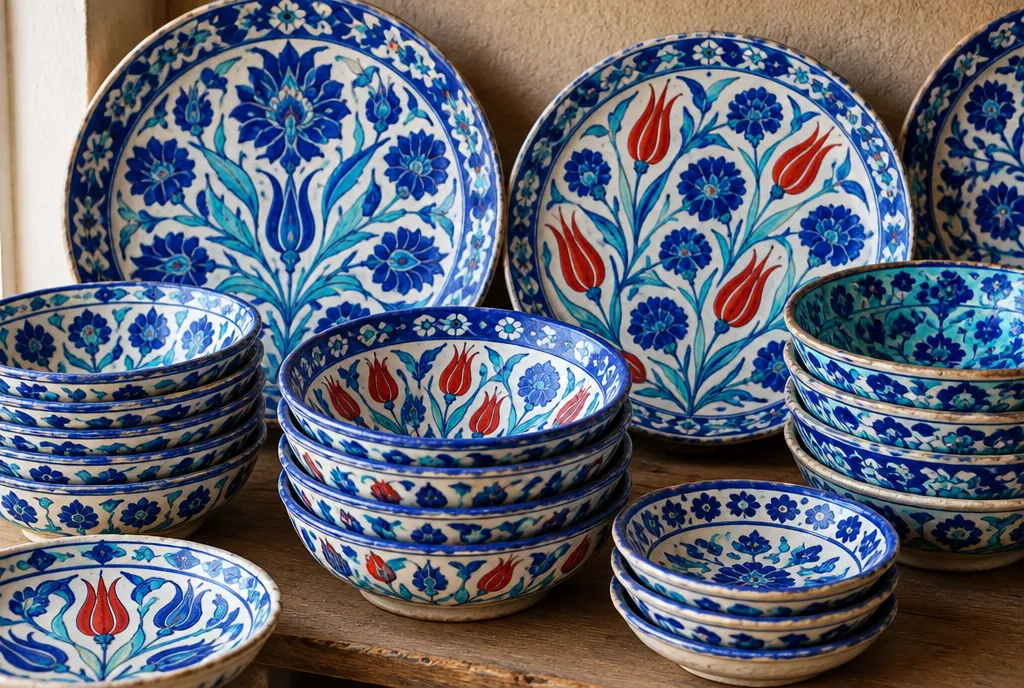
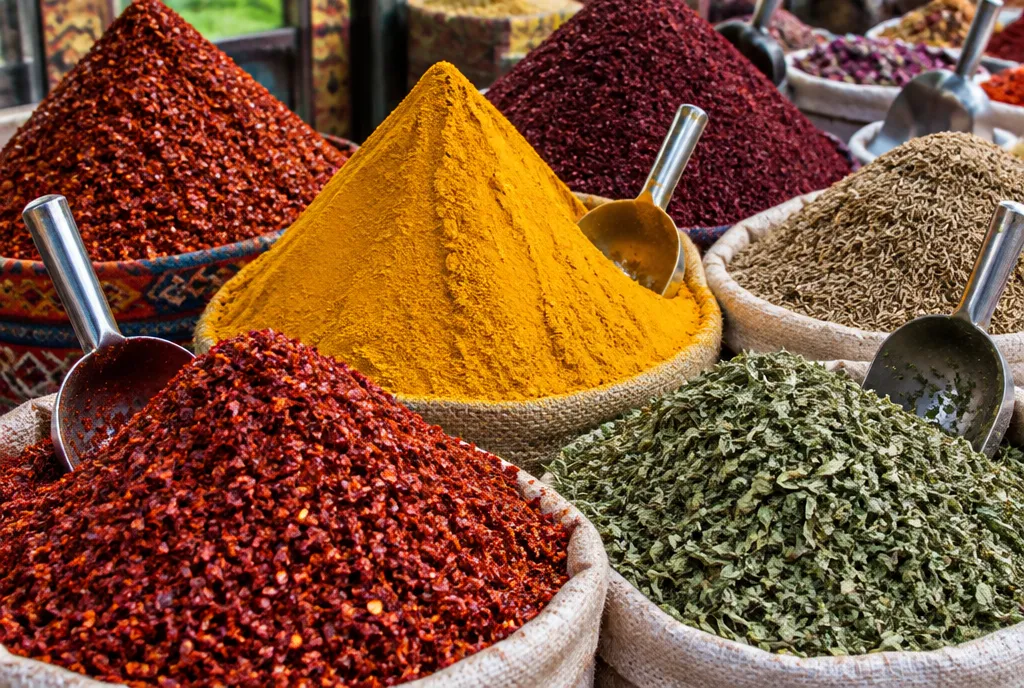
Carpets hang from the walls in some corridors, rolled or spread out for a better look. Ceramics come next, blue and white patterns stacked in tall towers. Spice stalls sell loose cones of colour, from deep red to bright yellow. Leather bags sit near copper lamps that catch the light from above. Jewellery cases line other corridors, glass reflecting the shop lights. You don’t have to know what you want before you walk in. It’s easy to leave with something you hadn’t planned on buying.
What To Bring, What To Leave At The Hotel
Carry small notes if you have them, and wear shoes you’re happy to walk in for a few hours. A tote bag helps if you end up buying more than you expected. Leave anything valuable back at the hotel — you won’t need it here. If you’re unsure whether something is worth buying, it’s fine to say you’ll think about it. Most shops are still there the next day, and so is the seller.
The Grand Bazaar is about a fifteen-minute walk from Küçük Ayasofya, through the streets of the old city. Our walking distances guide covers more of what’s reachable on foot from here. For a wider look at the area, our neighbourhood guide is worth a read. And if you’re still deciding where to stay while you explore it all, our rooms page has the details.