
Where to go, what to skip
Neighbourhood guides and day-trip notes, written by the people who run this hotel.
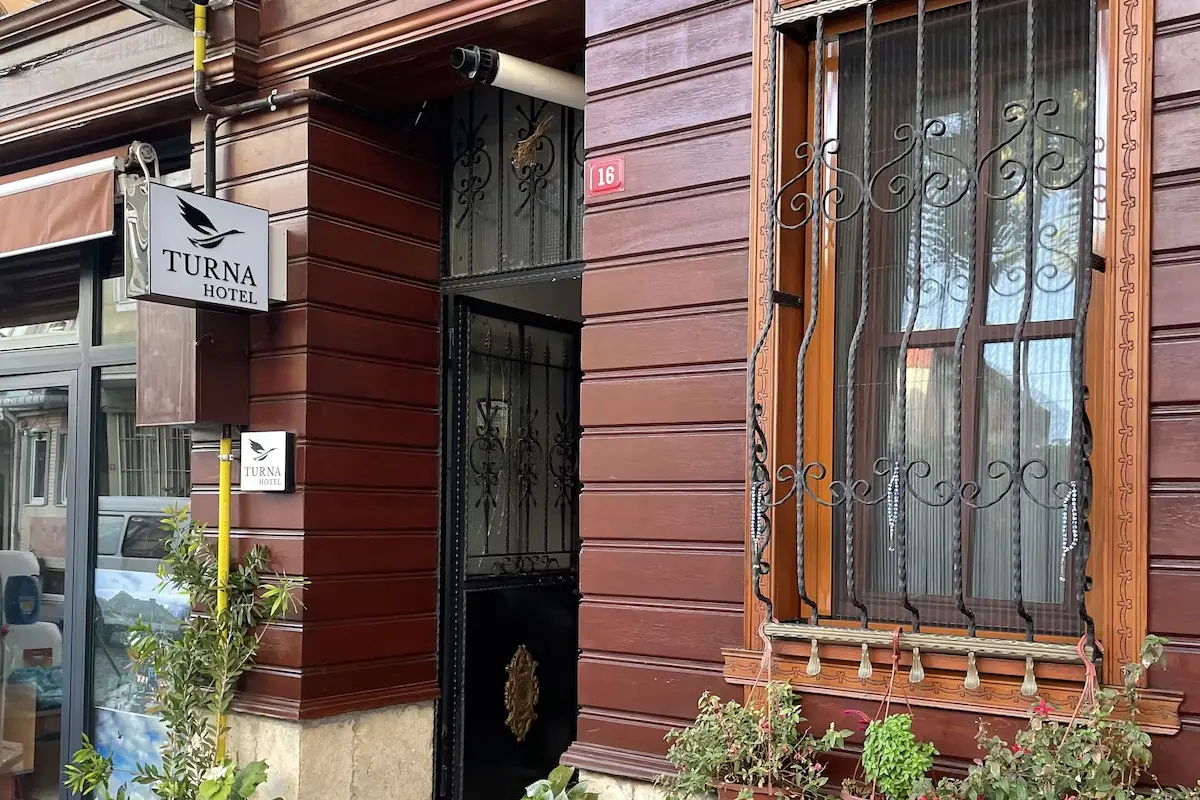
How Far Is Hagia Sophia From Here? Walking Times From Turna Hotel, Measured
Step out of Turna Hotel's front door and ask us how far anything is. You'll get a number instead of a guess. Walking times in the old city get rounded down easily. Everything looks close together on a map. And "a few minutes" is a comfortable thing to say about a place you've never timed. So we timed it, down to the metre, for the six places guests ask about most. Below is exactly what to expect at a normal, unhurried pace, in the afternoon when the streets are busiest. Plan your day around real numbers, not guesswork.
Read the guide→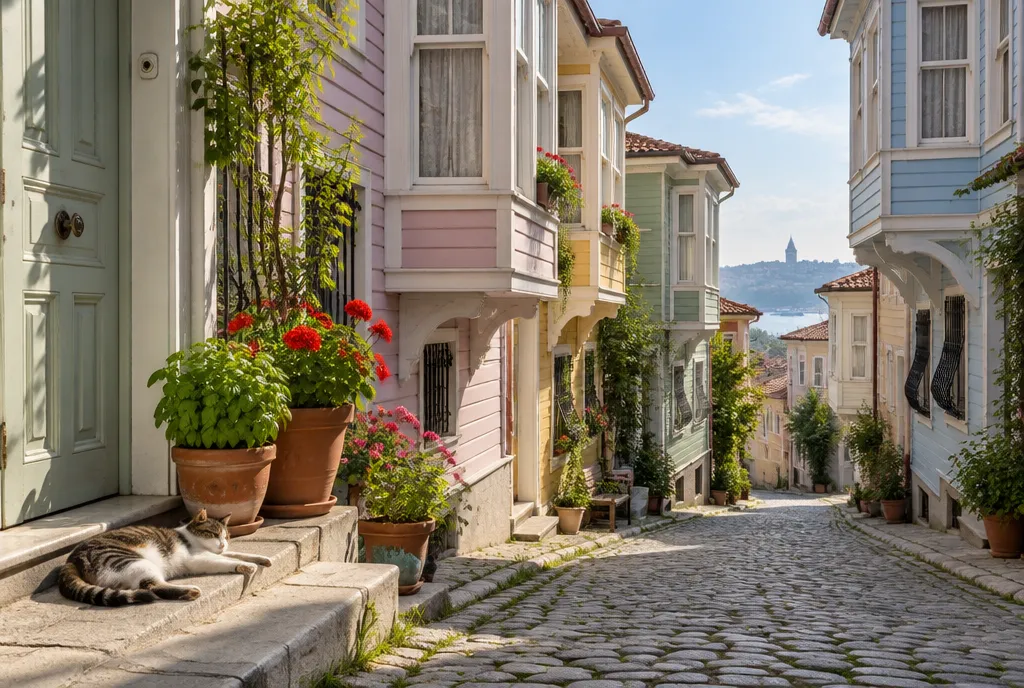
Sultanahmet Square or Küçük Ayasofya: Two Ways to Stay
Sultanahmet is not one neighbourhood. It's two, side by side. One is the square itself, where Hagia Sophia and the Blue Mosque sit a few steps from your door. The other is a handful of streets around it. Küçük Ayasofya is one of them. It's close enough to walk everywhere. But it's far enough to hear your own street at night, not just tour buses. Both put you in the heart of the old city. They just feel different once you're actually staying there.
Read the guide→Choosing Where to Stay in Sultanahmet: What Actually Matters
Sultanahmet has dozens of small hotels within a few streets of each other. On paper, most of them sound similar: old city, walking distance to the sights, boutique feel. Once you start comparing, a handful of things actually matter and a lot of things don't. Here's what's worth checking before you book, and why.
Read the guide→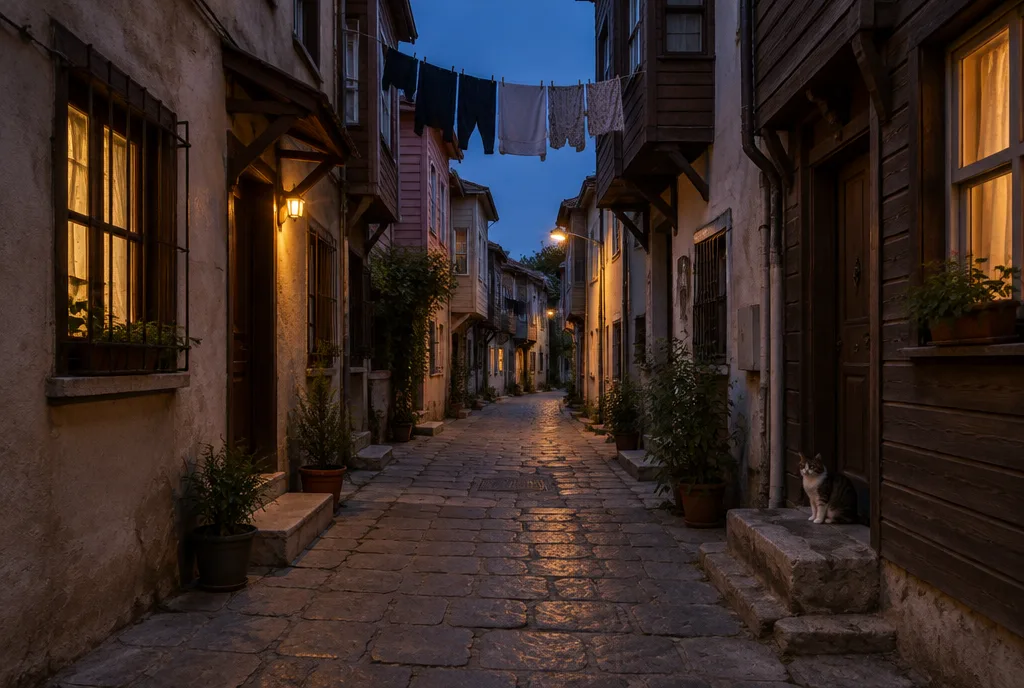
Sultanahmet in the Evening, Once the Tour Buses Leave
By late afternoon, the tour buses start leaving Sultanahmet. Groups head back to their hotels outside the old city, or straight to the airport. What's left behind is a different neighbourhood. The streets empty out. The tea houses fill up. And for anyone actually staying here, the evening is often the best part of the day.
Read the guide→
Istanbul Airport to Sultanahmet: Your Real Options
Before you've even picked up your bags, you've probably already searched for this: how do you get from Istanbul's airport to Sultanahmet? Istanbul has two airports. Neither sits close to the old city, so the journey takes real time whichever way you go. Here are your options, laid out clearly. One of them we arrange ourselves, door to door, for guests who'd rather not think about any of it after a long flight.
Read the guide→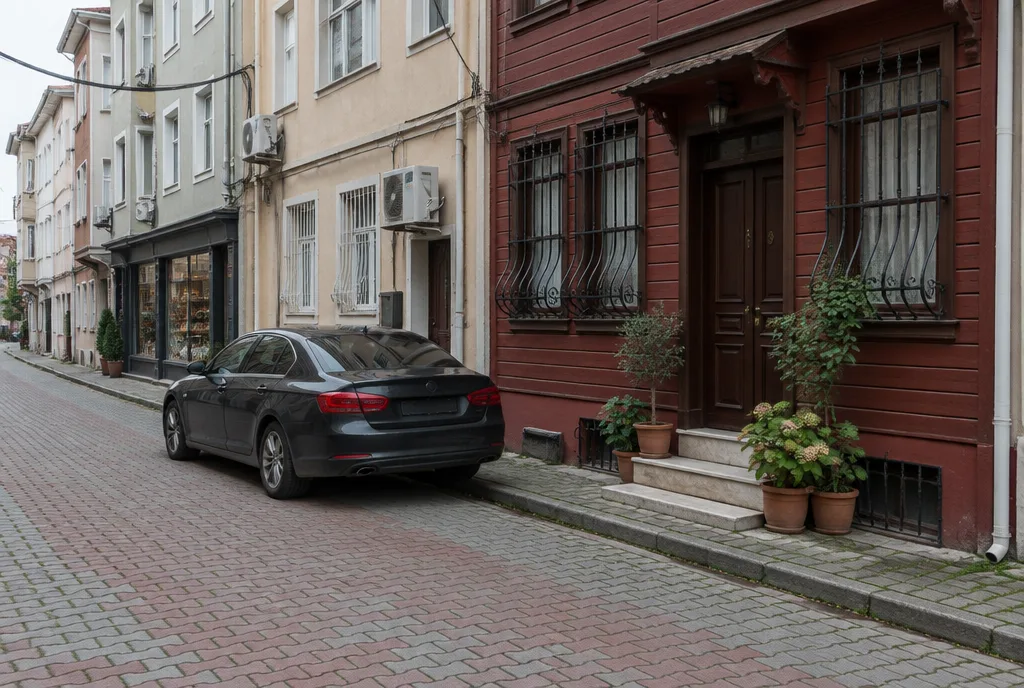
Arriving in Sultanahmet by Car: How We Handle Your Parking
Step out of a car in Sultanahmet for the first time. The first thing you'll notice is how little the old city was built with cars in mind. The streets narrow as you get closer to Küçük Ayasofya, and the cobblestones get worse. At some point your GPS will send you down a lane that looks too narrow for a car. It usually fits. A cat on a doorstep watches you try. Here's what driving to Turna Hotel actually involves. And here's what we do about parking: we arrange your spot for you, at no cost, before you even arrive.
Read the guide→Staying in an Eight-Room Family Hotel: What to Expect
Turna Hotel has eight rooms. They sit behind one façade on a quiet street in Küçük Ayasofya. The same family runs the hotel every day — no franchise, no head office. Not eight rooms on one floor of something bigger. Eight rooms, full stop. If you've only ever stayed somewhere with a lobby, a shift-based front desk, and well over a hundred rooms, here's what actually changes when the number is eight instead. And here's what that number makes possible, that a bigger hotel can't.
Read the guide→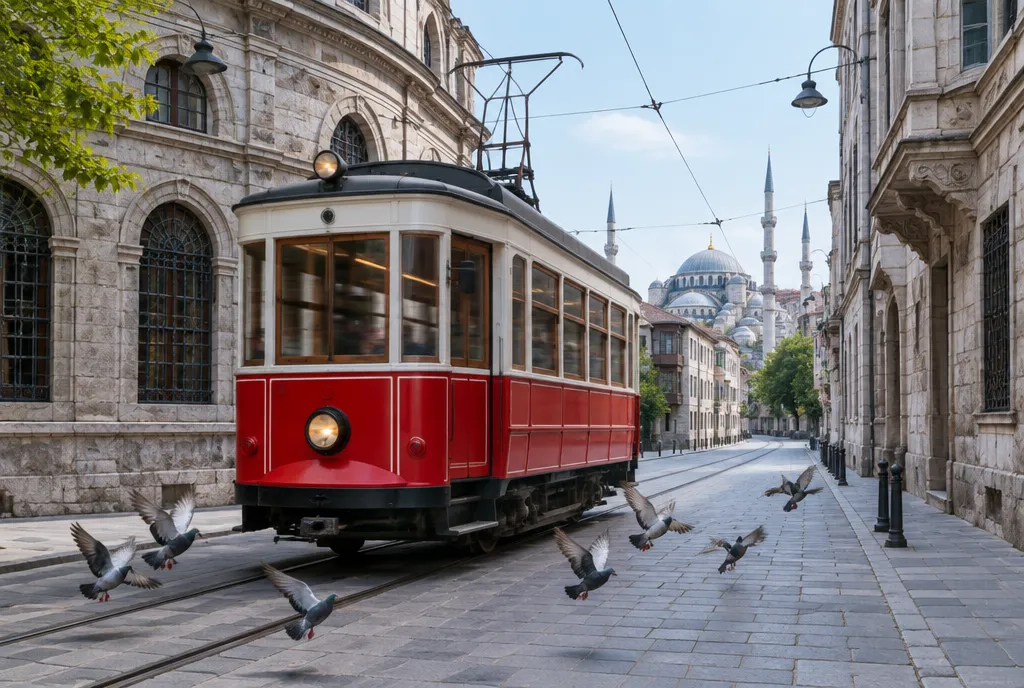
One Day in Istanbul: A Plan That Actually Works
One day in Istanbul sounds impossible. In one sense, it is — you won't see the whole city. But if you're staying in Sultanahmet, it's less limiting than it sounds. The old city's biggest sights sit close together. From Turna Hotel's front door, Hagia Sophia is thirteen minutes away on foot. The Blue Mosque is six. That means one day here goes further than one day almost anywhere else in the city. This plan starts at our door and works outward, using real walking times instead of guesses. It also tells you what to skip. One honest day beats a rushed list of six things you barely saw.
Read the guide→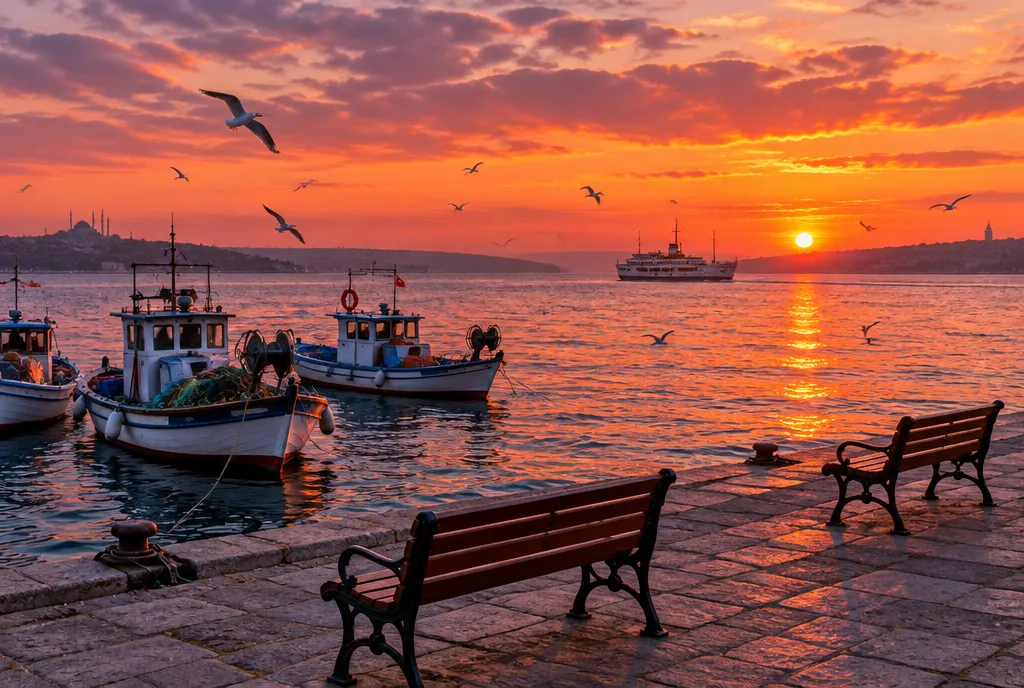
Two Days in Istanbul: What the Second Day Buys You
Two days changes the question. With one day, you're asking what you can fit in. With two, you're asking what you actually want. Day one covers the historic peninsula properly, without rushing. Day two is a real choice — cross the water, or slow down and go deeper into the old city. Both are good uses of a day. This plan starts at Turna Hotel's front door, uses real walking times instead of guesses, and leaves day two open for you to decide.
Read the guide→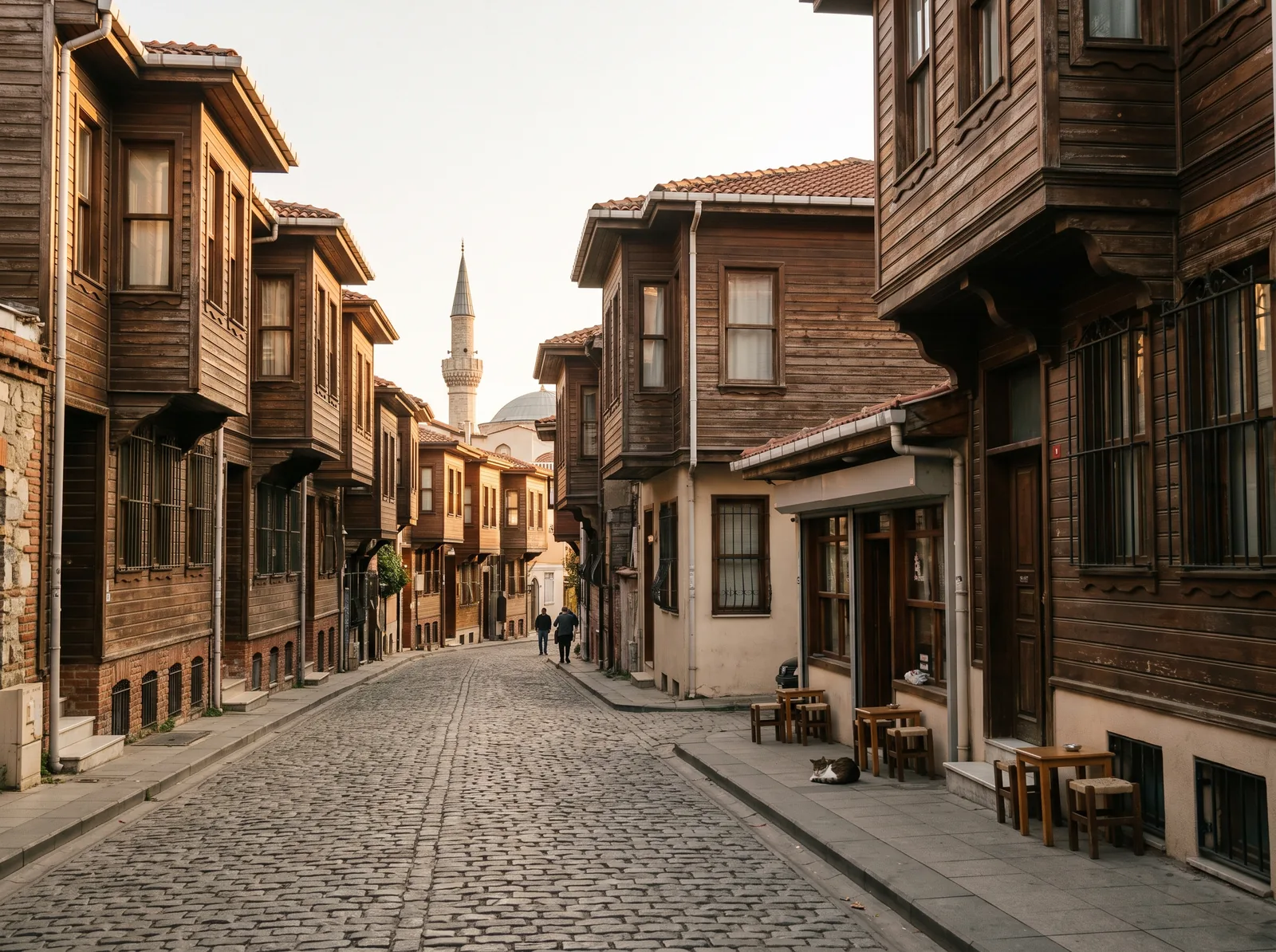
3 Days in Istanbul: A Simple First-Timer's Itinerary
Step out of Turna Hotel's front door and you're already standing in the middle of the old city. That's a useful place to start, since Istanbul is not a city you finish in three days. It spans two continents, has been the capital of three empires, and somehow still adds new neighbourhoods to its "you should really see this too" list every year. So let's be honest from the start: this itinerary won't show you everything. What it will do is give you three full, well-paced days that cover the parts most first-time visitors actually come for. It skips the 6am-to-midnight sightseeing marathon that leaves you too tired to enjoy any of it.
Read the guide→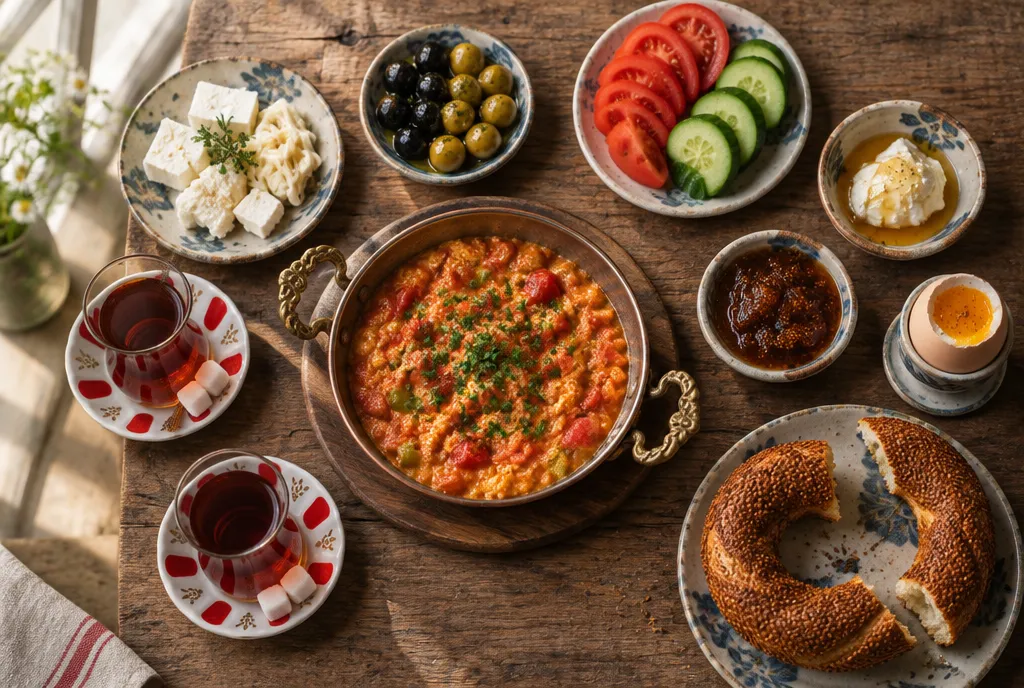
What to Eat in Istanbul: A Guide to the Food, Not the Restaurants
Ask ten people what to eat in Istanbul, and most will hand you a list of restaurant names. That list goes out of date fast — places close, chefs move on, and today's favourite spot might not exist next year. What doesn't go out of date is the food itself. Learn what menemen is, or how coffee is properly served, and you can order well anywhere in this city, including near Turna Hotel. Here's what to look for on a menu, how it's eaten, and when.
Read the guide→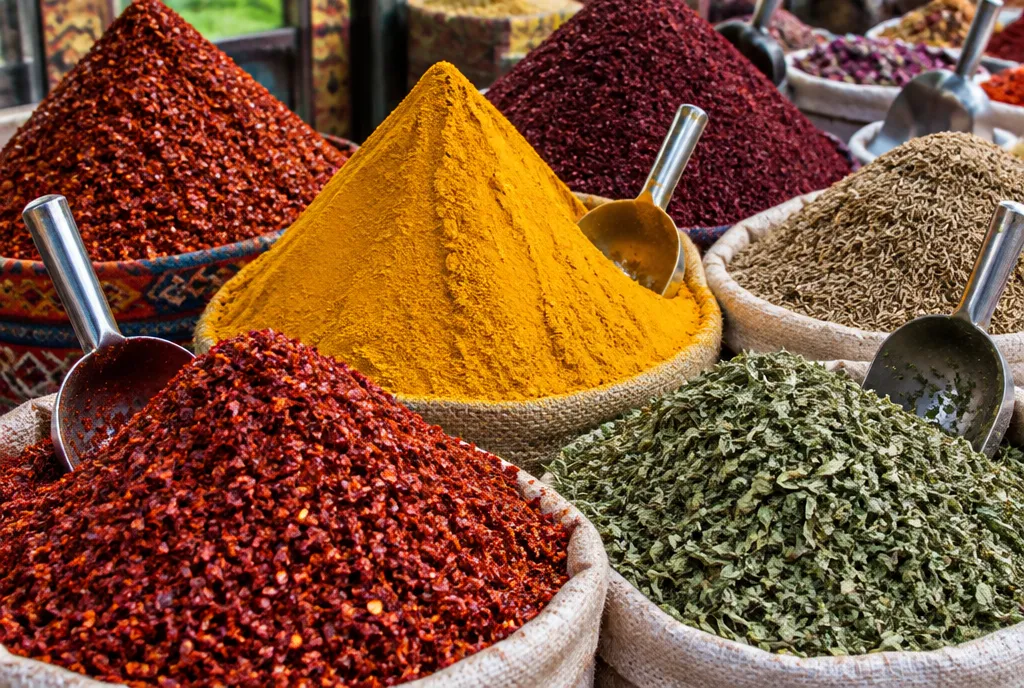
What to Buy in Turkey: A Guide to the Products, Not the Shops
Most souvenir guides send you to a shop. This one won't — shops close, staff change, and a shop that's good this year might not be next. What is worth knowing is the product itself. How real Turkish tea differs from the tourist tin. How to tell hand-painted ceramics from printed ones. And what actually survives a flight home. Learn that, and you can shop anywhere in this city with some confidence, including the streets a short walk from Turna Hotel. Here's what's worth bringing home, and how to choose it well.
Read the guide→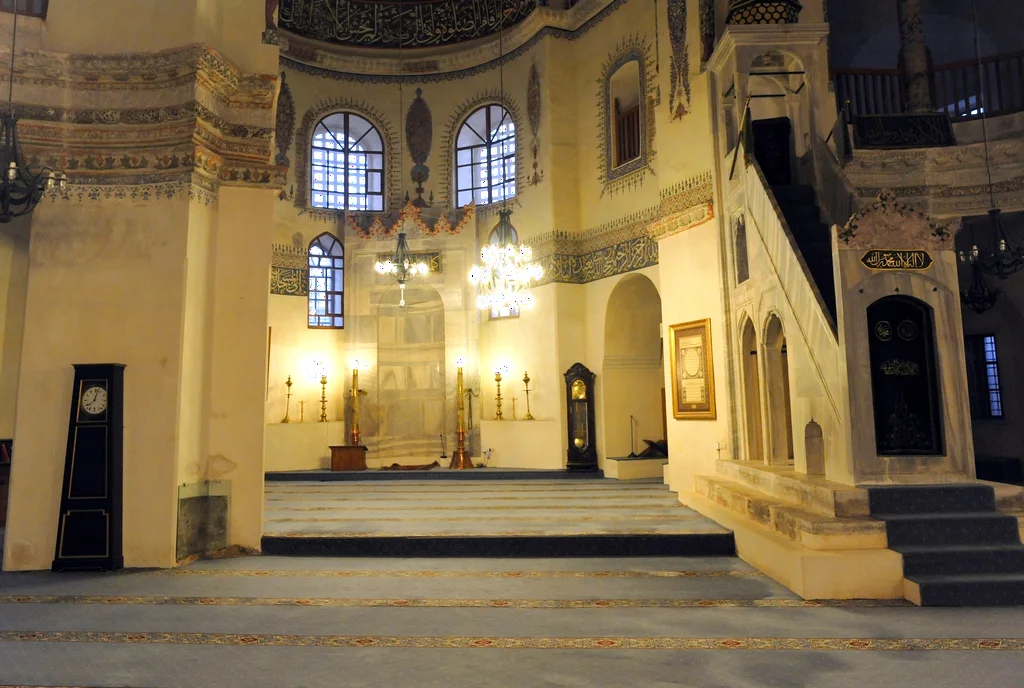
Little Hagia Sophia: The Byzantine Church Built Before the Real One
Most visitors walk past the Church of Saints Sergius and Bacchus without knowing what it is. Locals call it Küçük Ayasofya, or Little Hagia Sophia. The name is a clue. This building went up between 527 and 536, a few years before Hagia Sophia itself. The same architect worked on both. Its dome sits on an eight-sided base, an early experiment that helped shape the larger dome up the hill. It's a small building with a large role in how Byzantine architecture developed. And it stands about two minutes from our front door.
Read the guide→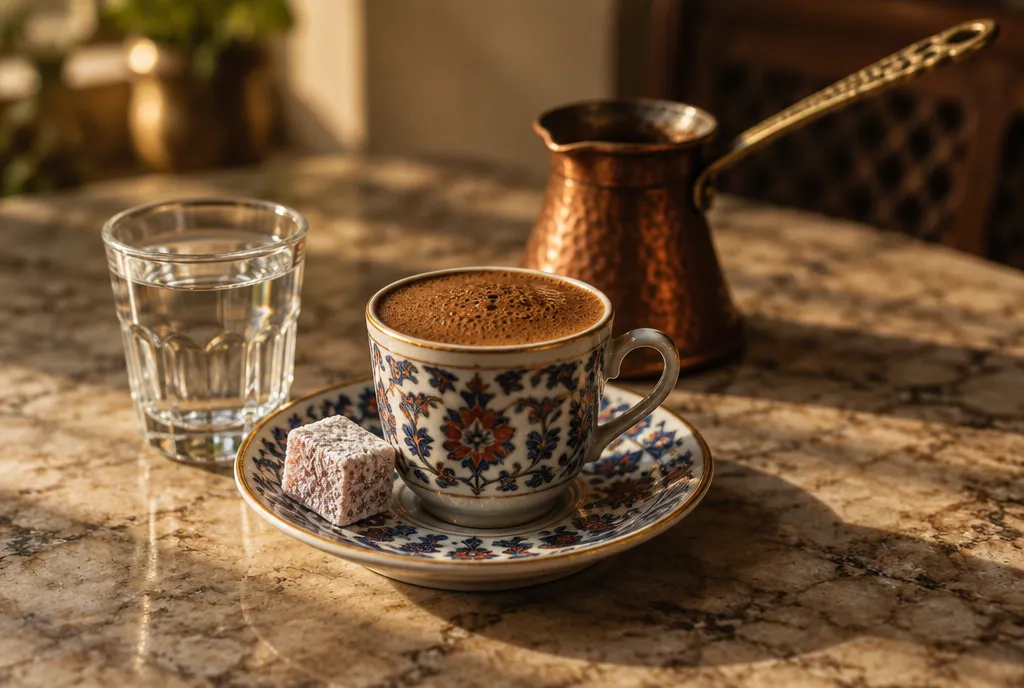
How to Drink Turkish Coffee: A Short Guide
Order a coffee in Istanbul and the first question isn't how you like it — it's how sweet. Sade, az şekerli, orta, şekerli: no sugar, a little, medium, or sweet. That choice happens before the coffee is even made, because the sugar is cooked in with the grounds. Get the order right and you're set up to drink it the way people here actually do — slowly, in a small cup, with a glass of water on the side. Here's what to expect, from ordering to the last sip.
Read the guide→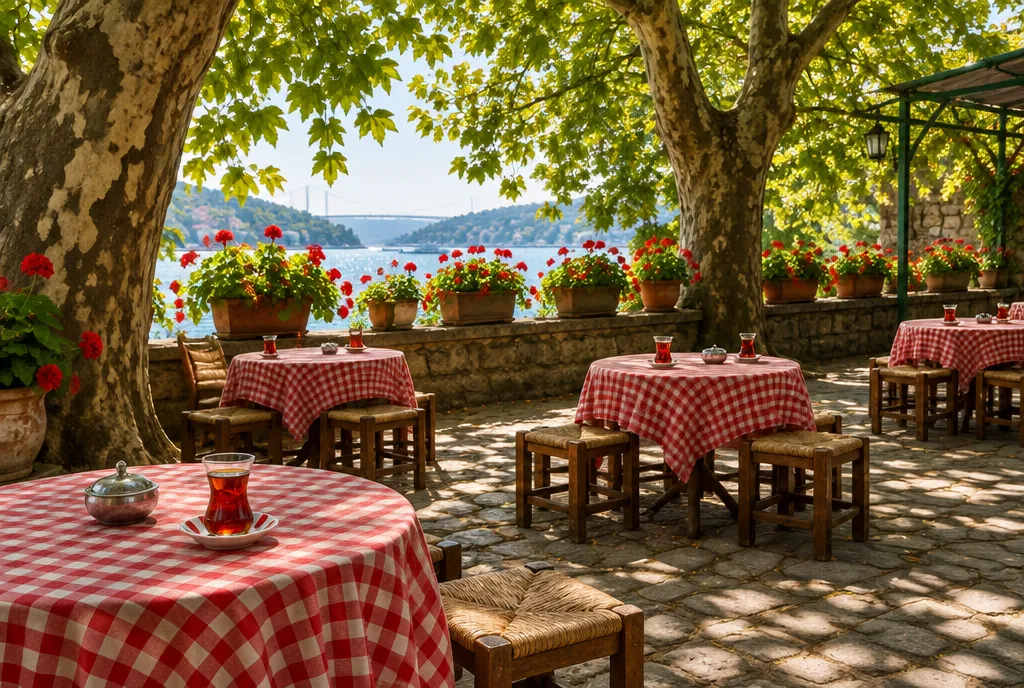
Turkish Tea Culture: How and When It's Actually Served
Tea in Turkey isn't an afternoon ritual — it's an all-day one. Offered at breakfast, mid-morning, after lunch, in the evening, and to any guest who walks through a door, çay shows up constantly, poured from a two-part pot into small, tulip-shaped glasses. It looks delicate, but it's strong, and there's a whole set of small customs around how it's made and how it's ordered. Here's what to expect, and what "açık" and "koyu" actually mean when someone asks.
Read the guide→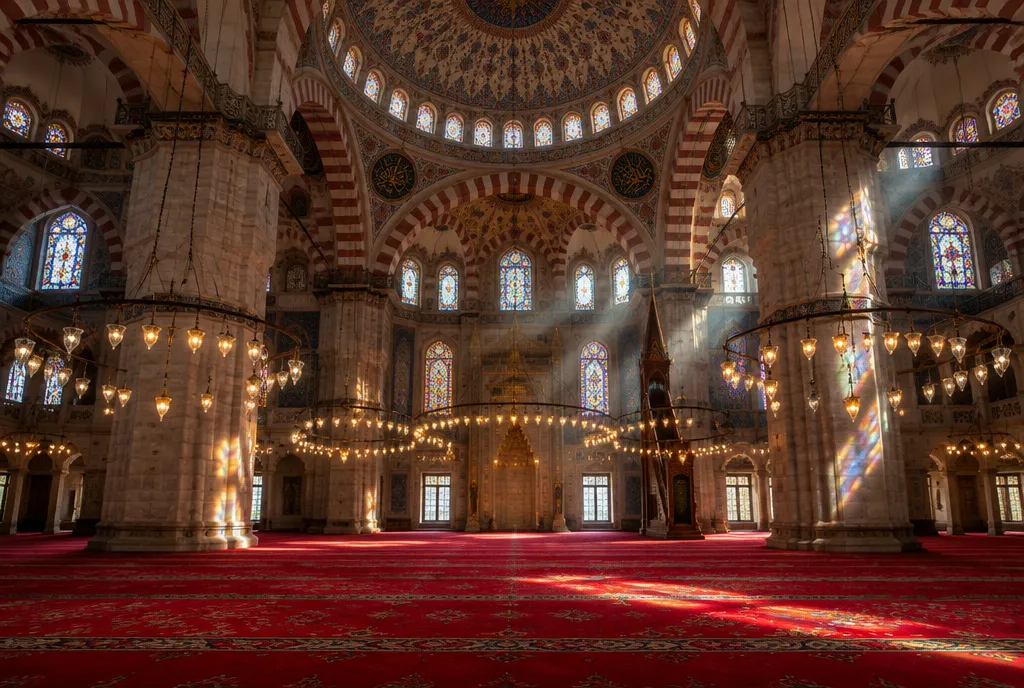
Visiting Mosques In Istanbul: A Practical Guide
Istanbul has thousands of mosques, and visiting one is easy once you know a few basics. Most are open to visitors outside prayer times, and no ticket or invitation is required. The rules are less about restriction and more about respect for a place where people are actually praying. Here's what to expect before you go — what to wear, what to bring, and what to skip.
Read the guide→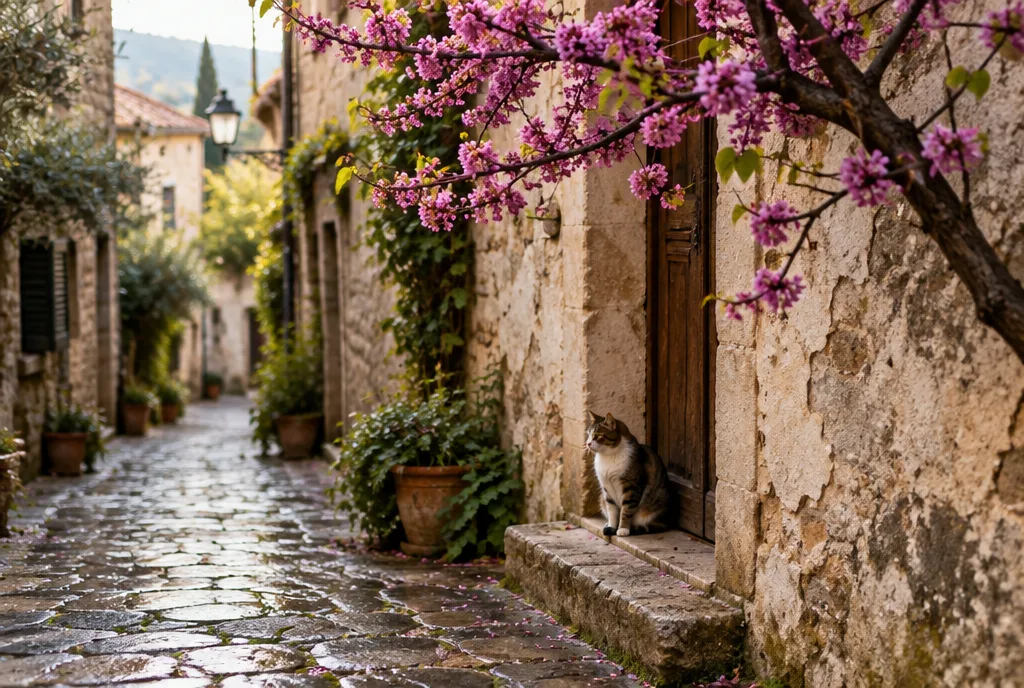
When to Visit Istanbul: What Each Season Feels Like
There's no wrong time to visit Istanbul, but every season feels different on this street. Summer evenings stretch long over the Marmara Sea, just four minutes from our door. Autumn brings the calmest walking weather of the year. Winter empties the lanes and slows the whole neighbourhood down. Spring brings warm light back to Küçük Ayasofya, and here's what actually changes, season by season.
Read the guide→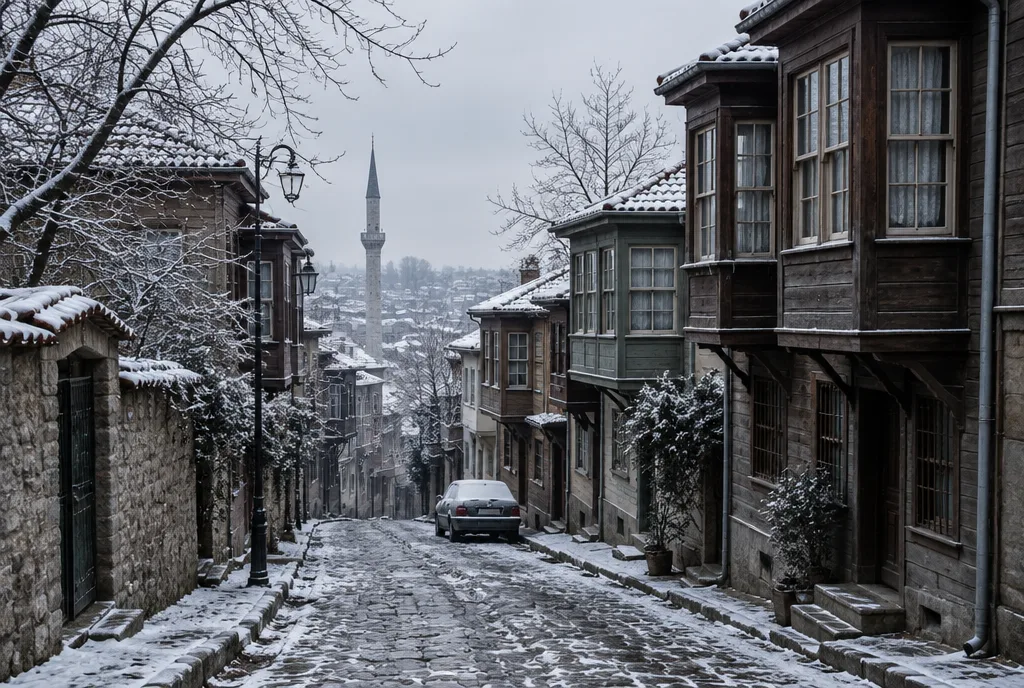
Sultanahmet in Winter: Fewer Crowds, Softer Light
Winter empties out the old city. The queues at the mosques get shorter, the tables at the tea houses have space, and the light turns low and gold by mid-afternoon. Rain is common, and snow shows up some years — neither one closes the neighbourhood down, it just changes it. Layer up, choose shoes with real grip, and Sultanahmet in winter has its own quiet appeal.
Read the guide→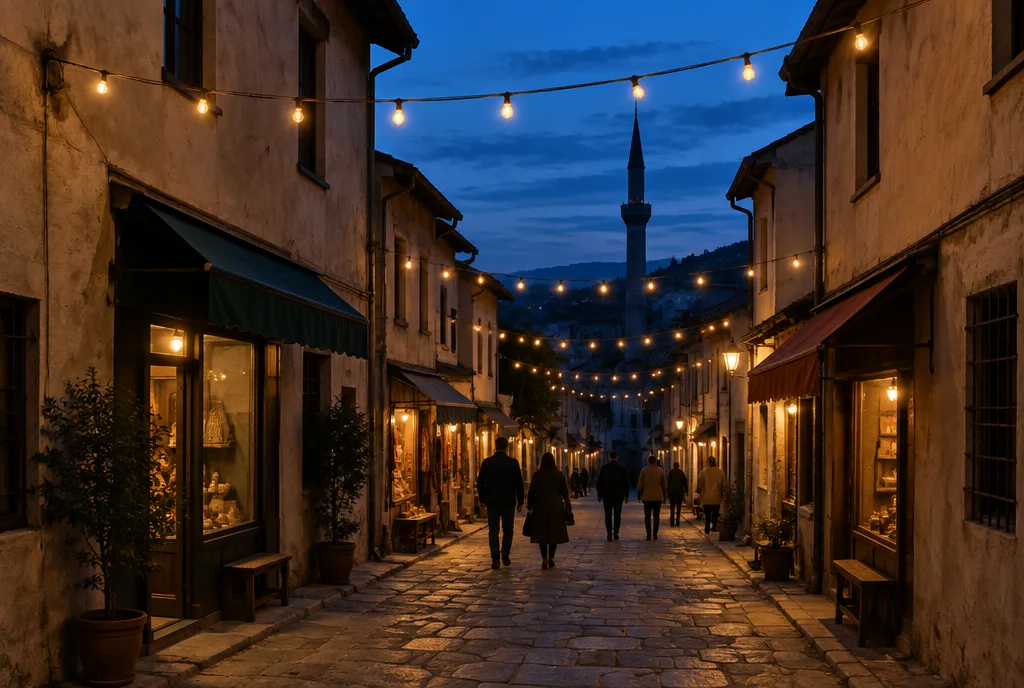
Ramadan in Istanbul: What Changes for Visitors
Ramadan changes the rhythm of Istanbul, not the sights you came to see. Many people here fast from sunrise to sunset for the month, then break the fast together in the evening. You'll notice it most after dark, when streets fill with people, food, and lights. During the day, life looks close to normal — shops open, trams run, and nobody expects you to fast too. Here's what actually shifts, and how to enjoy the city while it's happening.
Read the guide→Istanbul For First-Timers: What To Expect Before You Arrive
Istanbul looks enormous on a map, and it is. A city of over fifteen million people, spread across two continents. But if you're staying in the old city, your Istanbul is small enough to walk. From our street near Little Hagia Sophia, the Blue Mosque is six minutes away, and Hagia Sophia is thirteen. Here's what a first visit here actually feels like, from the first morning to the last.
Read the guide→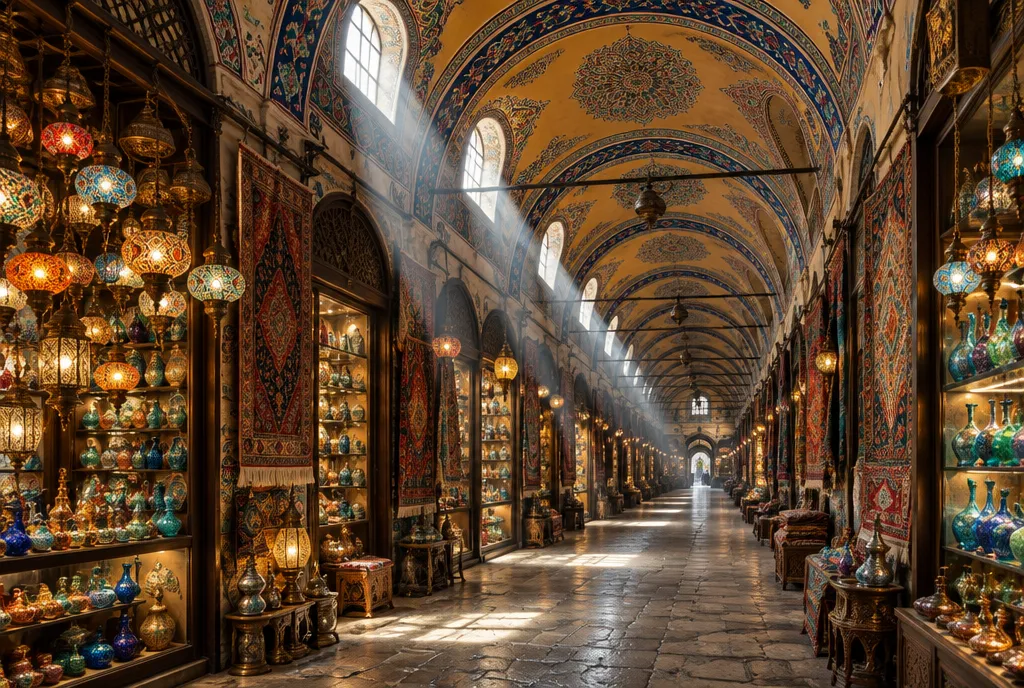
How Haggling Really Works in the Grand Bazaar
Walk into the Grand Bazaar and someone will probably offer you tea before you've even picked something up. That's not a trick — it's how a conversation starts here. Haggling in Istanbul isn't a fight over a number. It's back and forth, mostly polite, and it usually ends with both sides smiling. Here's what actually happens, and what to expect if you've never done it before.
Read the guide→A Few Turkish Words That Go A Long Way
Nobody expects you to speak Turkish here. But a few words change how a conversation starts. Say merhaba instead of hello, and people notice. Say teşekkürler for thank you, and it usually gets a smile back. Here are the words that get used every day, and how to say them.
Read the guide→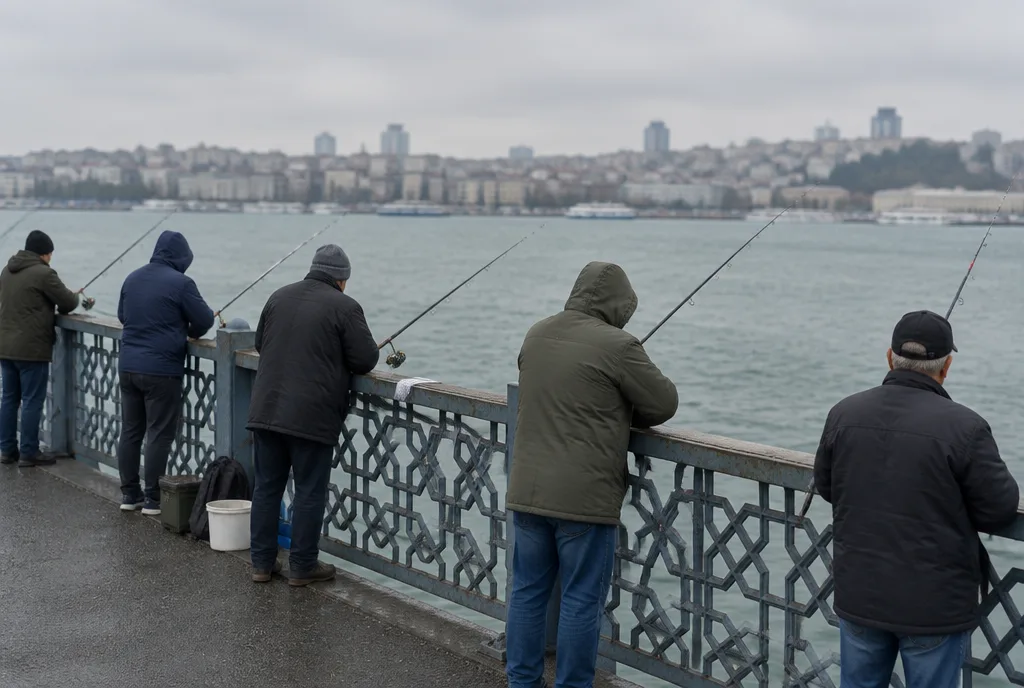
Walking From Küçük Ayasofya to Eminönü and Galata
From Küçük Ayasofya, one walk takes you through the old city and down to the water at Eminönü. From there, a bridge leads across to Galata. It's not a short stroll, and parts of it go uphill, so wear shoes you can actually walk in. Along the way you pass the edge of the Grand Bazaar district. If your legs give out halfway, there's a ferry waiting at Eminönü to finish the trip by water instead.
Read the guide→Sultanahmet Neighbourhood Guide: What's Actually Around Küçük Ayasofya
Step out of Turna Hotel's front door and turn either way, and you're on Küçük Ayasofya itself, a different street than the one most visitors picture when they hear "Sultanahmet." Most people's picture of the neighbourhood is Hagia Sophia's dome, a plaza full of tour groups, and vendors calling out in six languages at once. That part is real — it exists, and it's worth seeing. But Sultanahmet is bigger than that one square, and a few streets away from it, the neighbourhood looks and sounds completely different. Küçük Ayasofya is one of those streets.
Read the guide→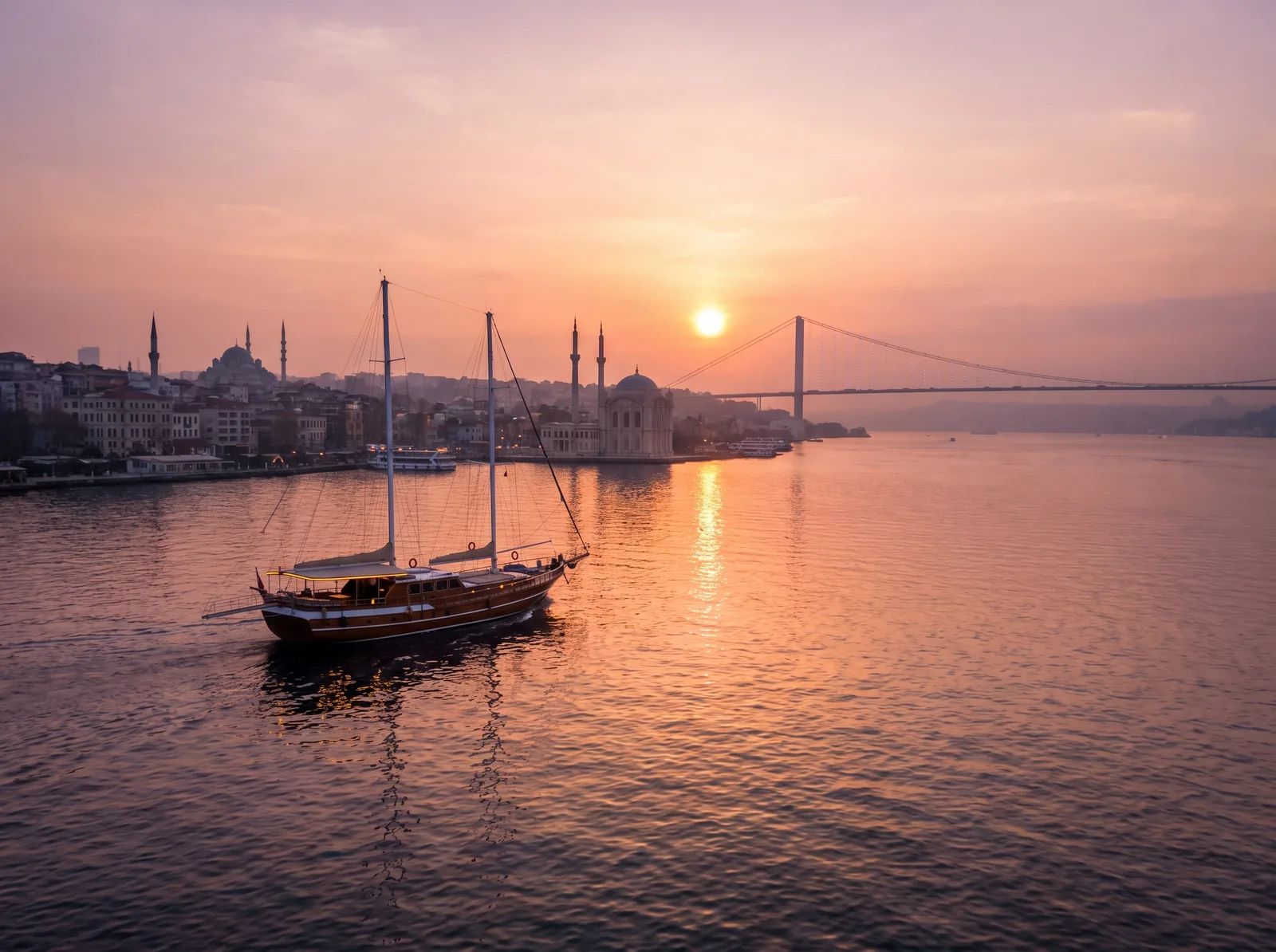
Bosphorus Cruise or Princes' Islands? How to Choose Your Istanbul Day Trip
Step out of Turna Hotel and the water is a two-minute walk away in one direction. That's fitting, because both of the trips in this post start with getting on a boat. If you've got one extra day in Istanbul, you're probably trying to decide between a Bosphorus dinner cruise and a day trip to the Princes' Islands. The good news is you can't really pick wrong — they're both good uses of a day, just completely different ones. The bad news is they don't overlap much, so if you only have room for one, it's worth knowing what you're actually choosing between.
Read the guide→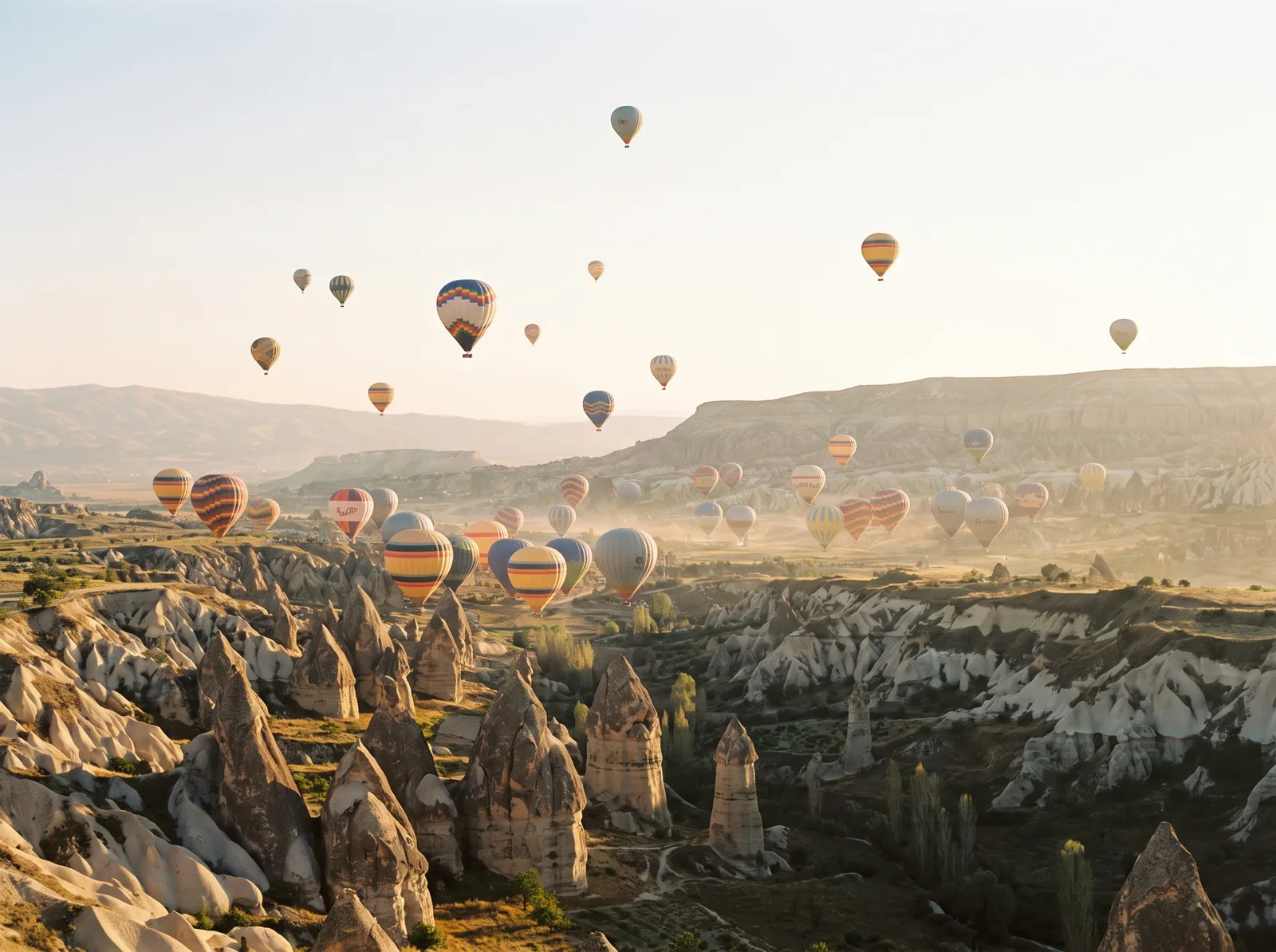
Cappadocia in a Day: What the Flight Tour From Istanbul Actually Involves
Step out of Turna Hotel before sunrise and the street is still dark and quiet — that's exactly when this day starts. A day trip to Cappadocia from Istanbul is one of those things that sounds almost too ambitious to be a "day trip" at all. You're talking about a landscape hundreds of kilometres away, on the other side of the country, fitted into roughly eighteen hours. It works, but it's worth knowing exactly what that day looks like before you book it, because "long but worth it" undersells both halves of that sentence.
Read the guide→