
Sultanahmet in Winter: Fewer Crowds, Softer Light
Winter empties out the old city. The queues at the mosques get shorter, the tables at the tea houses have space, and the light turns low and gold by mid-afternoon. Rain is common, and snow shows up some years — neither one closes the neighbourhood down, it just changes it. Layer up, choose shoes with real grip, and Sultanahmet in winter has its own quiet appeal.
Winter empties out the old city. The queues at the mosques get shorter, the tables at the tea houses have space, and the light turns low and gold by mid-afternoon. Rain is common, and snow shows up some years — neither one closes the neighbourhood down, it just changes it. Layer up, choose shoes with real grip, and Sultanahmet in winter has its own quiet appeal.
A Quieter Version of the Old City
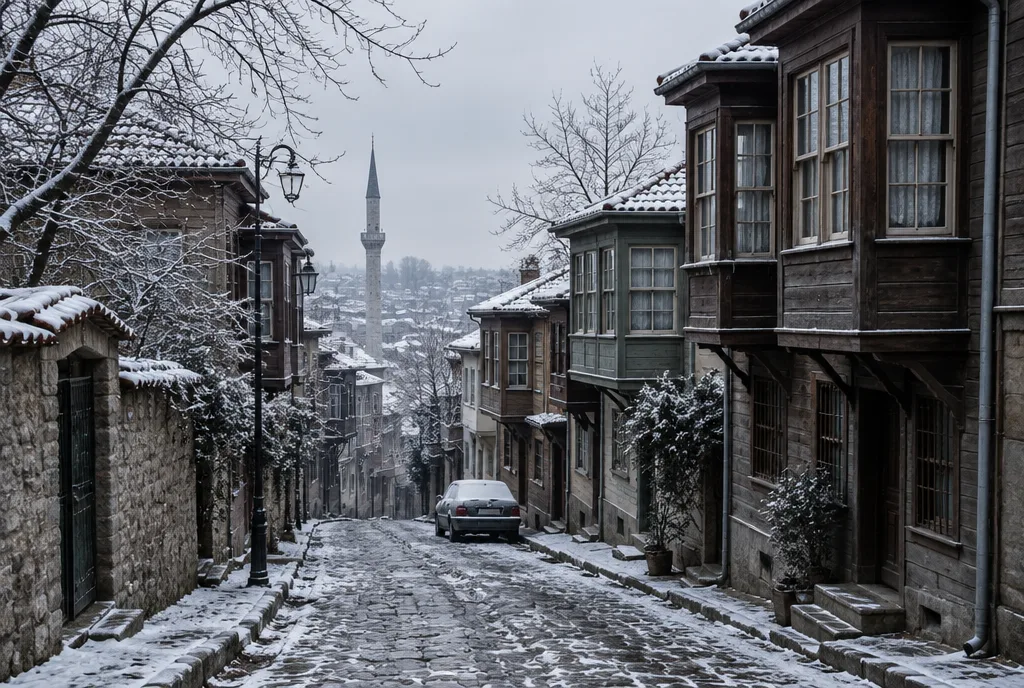
By November, the summer crowds are gone. The line outside the Blue Mosque moves fast, and you can stand in the courtyard without stepping around a tour group. Cafés keep their outdoor tables out, but fewer people are sitting at them, so a seat by the window is easy to find. Locals notice the shift too — shopkeepers have time to chat, and the pace on the street slows down. Even the street cats seem to have the cobblestones to themselves, curled up in doorways that stayed warm from the afternoon sun. Wet cobblestones catch the streetlights at night, turning ordinary corners into something worth stopping for.
What the Weather Actually Does
Winter in Sultanahmet means grey skies more often than not, with rain moving in for a day or two at a time. Snow is possible, though it’s never guaranteed and rarely stays long. Wind comes in off the Marmara Sea, just four minutes from the hotel, and it carries a real chill even on a dry day. Seagulls still circle over the rooftops on the grey days, riding the wind instead of fighting it. The Marmara turns a deeper grey-blue in winter, and the sound of the water carries further when the streets are this quiet. None of this is extreme weather — pack for a cold, damp European city, and you’ll be fine.
Closed Spaces Make More Sense in Winter
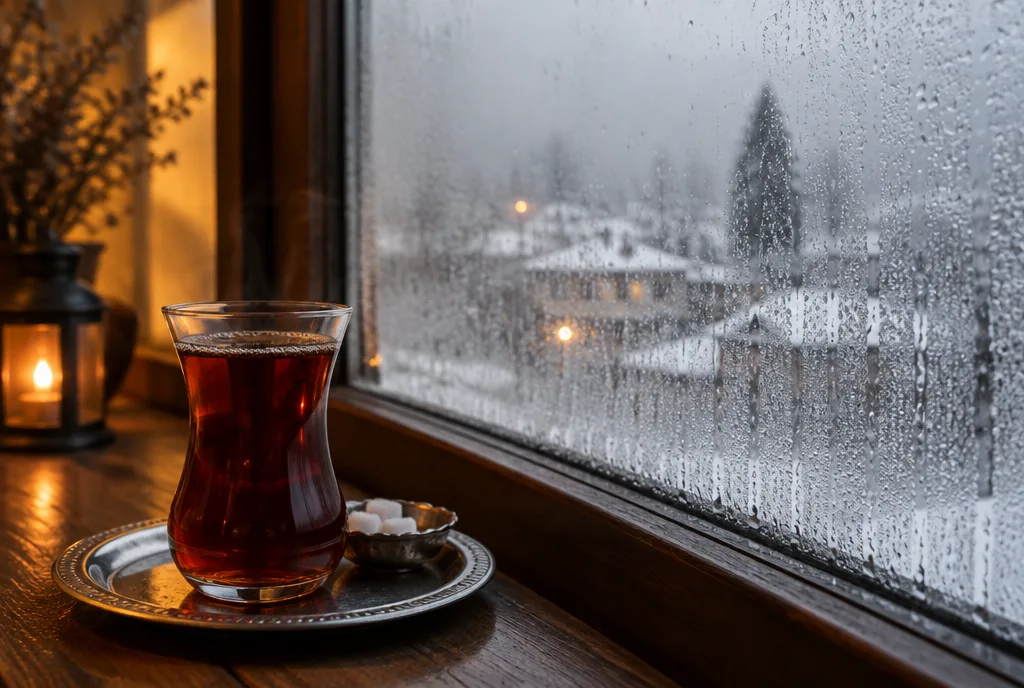
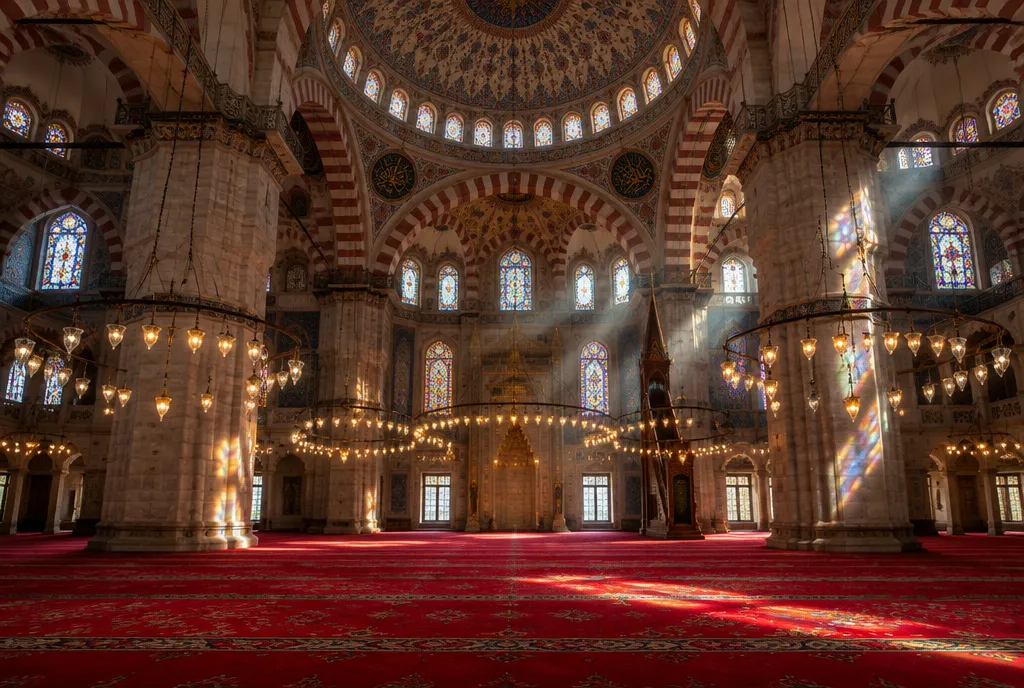
Sultanahmet has a lot of covered, closed spaces — mosques, the Grand Bazaar, small tea houses tucked into side streets. In summer they’re a break from the heat. In winter, they’re the opposite: a warm, dry place to stop for a while. Step inside a mosque on a cold afternoon and the quiet feels different, heavier somehow, with the light coming through the windows in soft grey beams. Tea houses fill up with people warming their hands around a glass, in no rush to leave. Order a glass of tea and the waiter often brings it before you’ve finished asking, since the cold makes everyone want the same thing.
Dressing for the Cobblestones
Layers work better than one heavy coat, since the temperature shifts between sun and shade, indoors and out. A hat and gloves help on windy days near the water. Shoes matter most — the cobblestone streets here get slick when wet, and smooth soles slip. A scarf helps too, especially near the water where the wind cuts through anything thin. Choose something with real grip, even if it means trading style for traction. Your feet will thank you by the second day.
Short Distances Make Winter Easy
One advantage of staying in Küçük Ayasofya is how close everything is. The Blue Mosque is six minutes on foot, Hagia Sophia is thirteen, and the Marmara shoreline is four. If the rain picks up or the wind gets sharp, you’re never far from somewhere to duck into. That includes your own room, just a few minutes away, where you can dry off and warm up before heading out again. A vapur on the Marmara keeps running through the winter months too, so the short walk down to the water is never wasted. Sightseeing in winter works best in short bursts, and this neighbourhood is built for exactly that.
A Slower Way to See the City
Winter isn’t the season for rushing between sights. It’s better for lingering — a longer stop in a mosque courtyard, a second glass of tea, a walk with no real destination. A walk along the water at dusk, with the ferries pulling in and gulls circling low, is its own kind of sightseeing. The old city rewards that kind of pace anyway, and winter just makes it easier to slow down without feeling like you’re missing something. Bring a coat, expect some rain, and let the quiet be part of the trip.
If you want to know exactly how far things are from the hotel, our walking distances guide has the numbers. Our neighbourhood guide covers more of what’s around here, whatever the season. And if you’re driving in during the colder months, our guide to arriving by car covers parking near the hotel.