
A Few Turkish Words That Go A Long Way
Nobody expects you to speak Turkish here. But a few words change how a conversation starts. Say merhaba instead of hello, and people notice. Say teşekkürler for thank you, and it usually gets a smile back. Here are the words that get used every day, and how to say them.
Nobody expects you to speak Turkish here. But a few words change how a conversation starts. Say merhaba instead of hello, and people notice. Say teşekkürler for thank you, and it usually gets a smile back. Here are the words that get used every day, and how to say them.
Merhaba — The First Word
Merhaba is said mer-ha-BAH, with the stress on the last part. It means hello, and it works everywhere — in shops, on the street, at the front desk. Use it first, before you switch to English. It only takes a second, and it signals that you’re trying. That tends to matter more than getting the grammar right. You’ll hear it from the man opening his shutters at dawn and from the boy carrying tea glasses across the street on a tray. It’s the sound the neighbourhood makes before anything else.
Teşekkürler — The Word You’ll Use Most
Teşekkürler is said teh-shek-kyur-LER. It means thank you. It’s a long word, but you’ll hear it so often that it sticks fast. If it feels like a mouthful, sağol (sah-OL) is a shorter, more casual version, used between friends and in everyday shops. Either one works. Say it after your coffee arrives, after directions, after almost anything. A cat asleep on a windowsill won’t care either way, but the shopkeeper handing you your change usually will.
Lütfen And Pardon
Lütfen is said LEWT-fen. It means please. Add it to the end of a request — çay, lütfen — and it softens the ask. Pardon is said just like it looks, par-DON, and it covers both “excuse me” and “sorry.” Use it to pass someone on a narrow pavement, or to catch a waiter’s eye. You’ll hear it constantly in a city built from narrow streets and close-together cafés. The pavements here are old cobblestone, uneven in places, and pardon is what gets said when two people meet at the same tight corner.
Evet And Hayır
Evet is eh-VET, and it means yes. Hayır is ha-YUHR, and it means no. Watch for a small head movement that sometimes replaces hayır completely — a short upward jerk of the chin, no sound at all. It can look like a nod. It means the opposite. A raised eyebrow can mean the same thing, quietly, without a single word.
Ne Kadar — At The Market
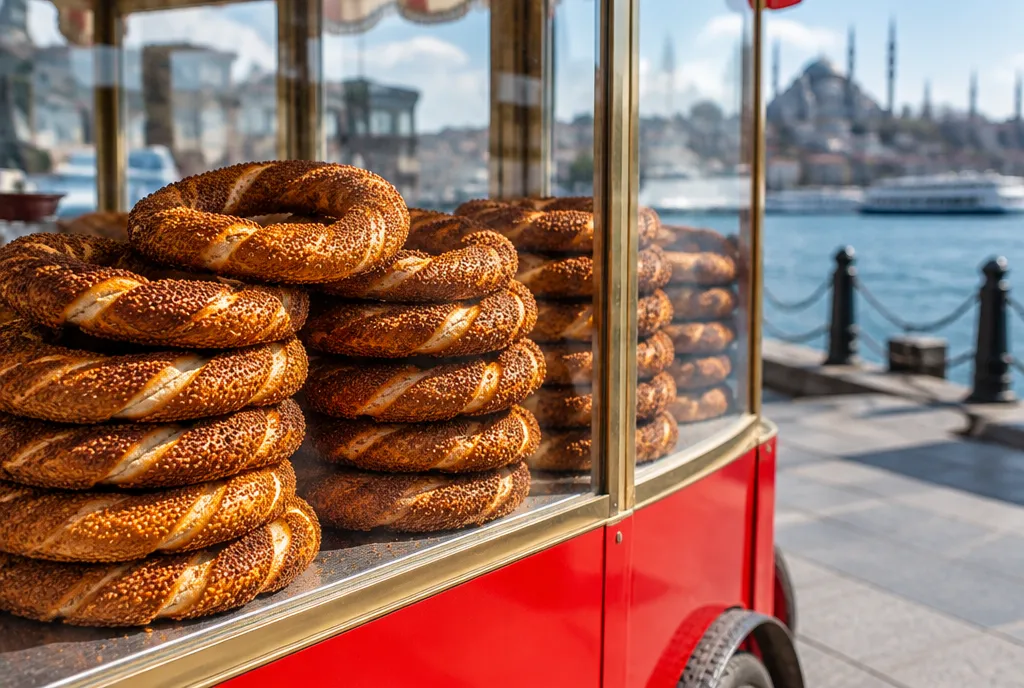
Ne kadar is said neh ka-DAR. It means how much. It’s the phrase that opens almost every small purchase — a bottle of water, a scarf, a bag of spices. Ask it, listen for the number, and the conversation is already moving. Shopkeepers hear it from visitors all day, and they never seem to mind. Point at the ceramics or the spice sacks if the word slips your mind, and ne kadar will still get the job done.
Afiyet Olsun And Kolay Gelsin
Afiyet olsun is ah-fee-YET ol-SOON. It’s said around food, before a meal, during it, or right after. Roughly, it means “enjoy your meal,” though it gets used more freely than that. A waiter might say it while setting down your plate. You can say it right back.
Kolay gelsin is ko-LIE gel-SIN. It’s said to someone in the middle of a task — a shopkeeper sweeping the floor, a waiter mid-shift, anyone working while you’re nearby. It means something close to “may it come easy.” English doesn’t really have a match for it. Say it on your way out of a shop, and it lands well. It works just as well for the person changing your sheets as it does for a taxi driver stuck in traffic.
Çay And Su
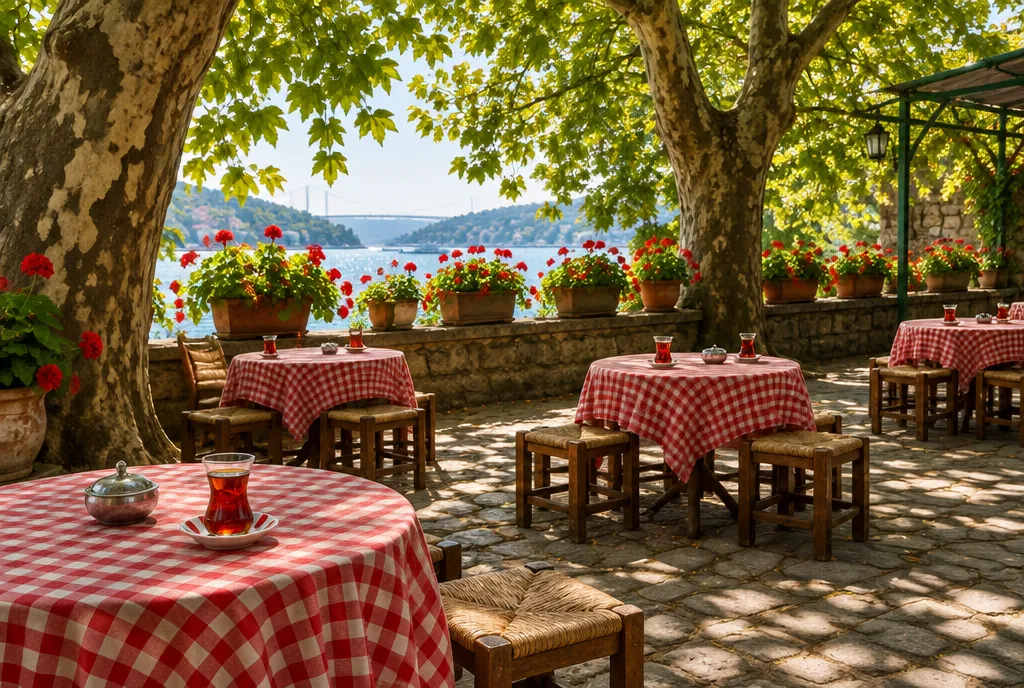
Çay is said like the English word “chai.” It means tea, and here it’s poured strong, from a stacked two-pot kettle, into a small tulip-shaped glass. Su is SOO, and it means water. Ask for either one by name, and you’ll be understood without needing a full sentence. Tea especially is less a drink here than a reason to sit down for a while. Two sugar cubes usually arrive on the saucer, and nobody will rush you to finish the glass.
You Don’t Need Many
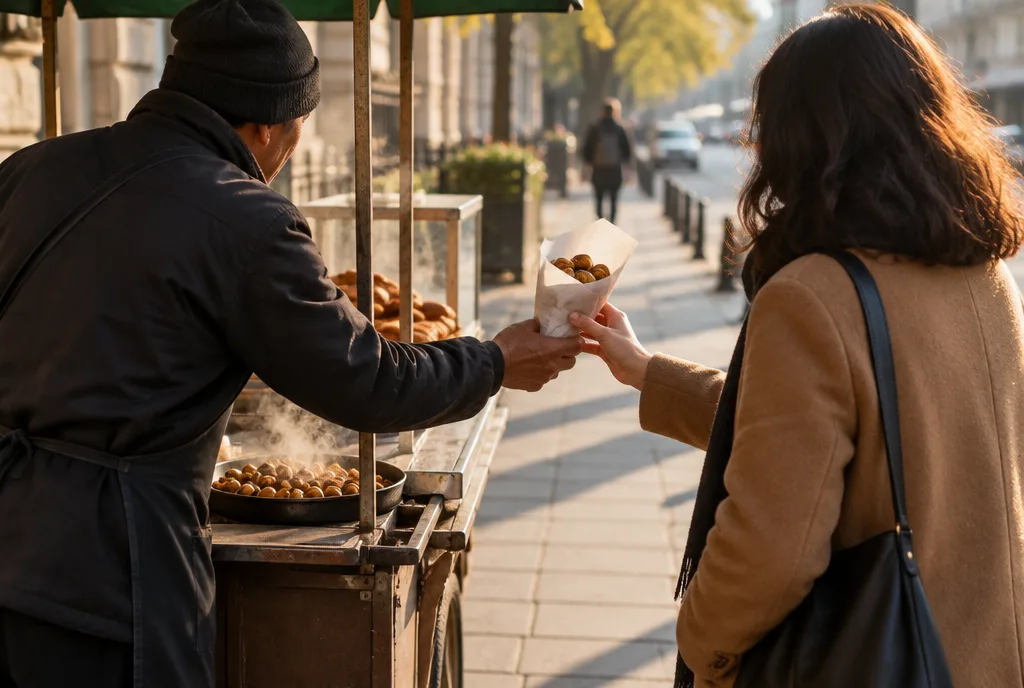
Nobody here expects perfect Turkish. Two or three words are usually enough — for a smile, a slower explanation, sometimes just an easier conversation. Our neighbourhood guide covers the streets and shops around the hotel, if you want to see where you might use them. If you have questions before you arrive, you can always get in touch. Our rooms page has the details if you’re still deciding where to stay.