
Little Hagia Sophia: The Byzantine Church Built Before the Real One
Most visitors walk past the Church of Saints Sergius and Bacchus without knowing what it is. Locals call it Küçük Ayasofya, or Little Hagia Sophia. The name is a clue. This building went up between 527 and 536, a few years before Hagia Sophia itself. The same architect worked on both. Its dome sits on an eight-sided base, an early experiment that helped shape the larger dome up the hill. It's a small building with a large role in how Byzantine architecture developed. And it stands about two minutes from our front door.
Most visitors walk past the Church of Saints Sergius and Bacchus without knowing what it is. Locals call it Küçük Ayasofya, or Little Hagia Sophia. The name is a clue. This building went up between 527 and 536, a few years before Hagia Sophia itself. The same architect worked on both. Its dome sits on an eight-sided base, an early experiment that helped shape the larger dome up the hill. It’s a small building with a large role in how Byzantine architecture developed. And it stands about two minutes from our front door.
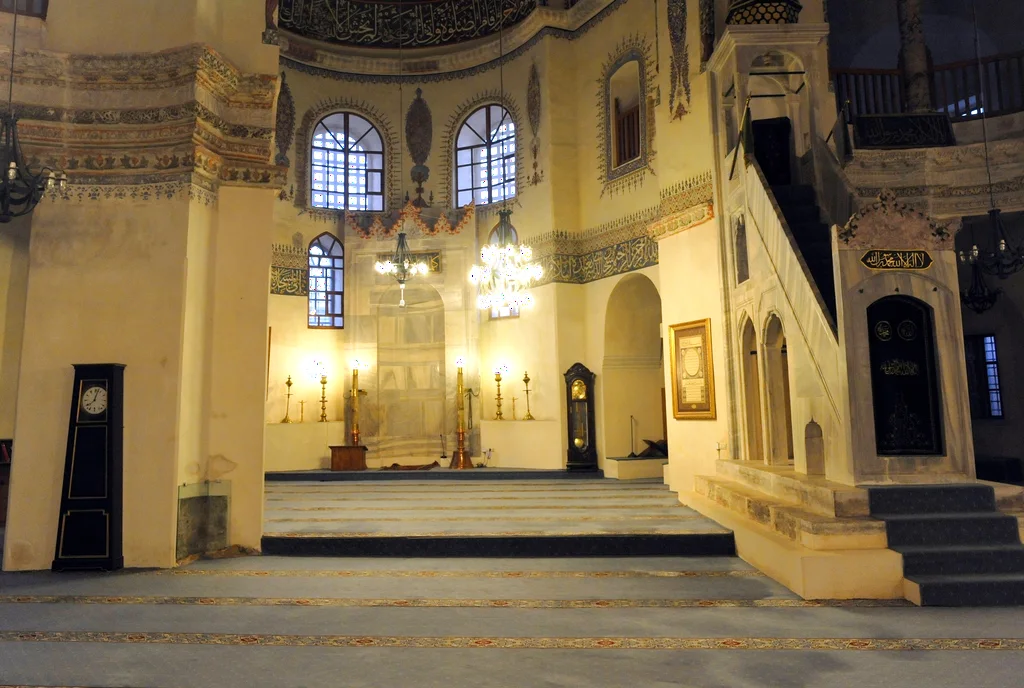
Photo: Ggia, CC BY-SA 3.0, Wikimedia Commons
A Church Built On A Promise
The building we now call Little Hagia Sophia began as the Church of Saints Sergius and Bacchus, dedicated to two Roman soldiers venerated as Christian martyrs. Emperor Justinian and his wife Theodora commissioned it, and construction ran from 527 to 536.
According to legend, Justinian was accused of plotting against the throne under Emperor Justin I and was sentenced to death. The story goes that Sergius and Bacchus appeared to Justin in a dream and vouched for Justinian’s innocence. Justinian was pardoned, and he is said to have promised that if he became emperor, he would build a church for the two saints. He kept that promise once he took the throne.
The Architect Behind Both Domes
Little Hagia Sophia was designed by Anthemius of Tralles, the same architect who later worked on Hagia Sophia. Hagia Sophia was built between 532 and 537, so the two projects overlapped by a few years. Architects of the period were experimenting with a difficult problem: how to place a round dome over a building that wasn’t round underneath. Little Hagia Sophia solved this on a smaller scale, with a dome sitting over an eight-sided base. Historians often describe it as a study for Hagia Sophia’s much larger dome. Walk through both buildings today and the relationship is easy to see, even without knowing the history.
Two Churches, One Courtyard
Justinian didn’t stop at one building. He also commissioned a second church next door, dedicated to Saints Peter and Paul. The two churches shared a courtyard and an entrance hall, forming a single complex rather than two separate buildings. Very little of the second church survives today, but the shared layout still shapes the site, and it’s part of what made this complex significant in its own time.
From Church To Mosque
Around 1500, the building was converted into a mosque. It kept the name Küçük Ayasofya, Little Hagia Sophia, because of how closely its dome and layout echo the larger building up the hill. It remains an active place of worship today, more than 1,500 years after construction began.
A Quieter Way To See Byzantine Istanbul
Hagia Sophia draws long queues for much of the year, and it’s easy to spend more time in line than inside. Little Hagia Sophia doesn’t have that problem. It’s a small building on a residential street, not a stop on the main tour bus route, so most visitors have it largely to themselves. You can take in the dome, the columns and the courtyard at your own pace, without craning over a crowd. For anyone who wants to understand what Hagia Sophia’s dome solved, seeing the smaller version first, with room to actually look at it, makes the bigger one easier to appreciate.
Visiting Little Hagia Sophia
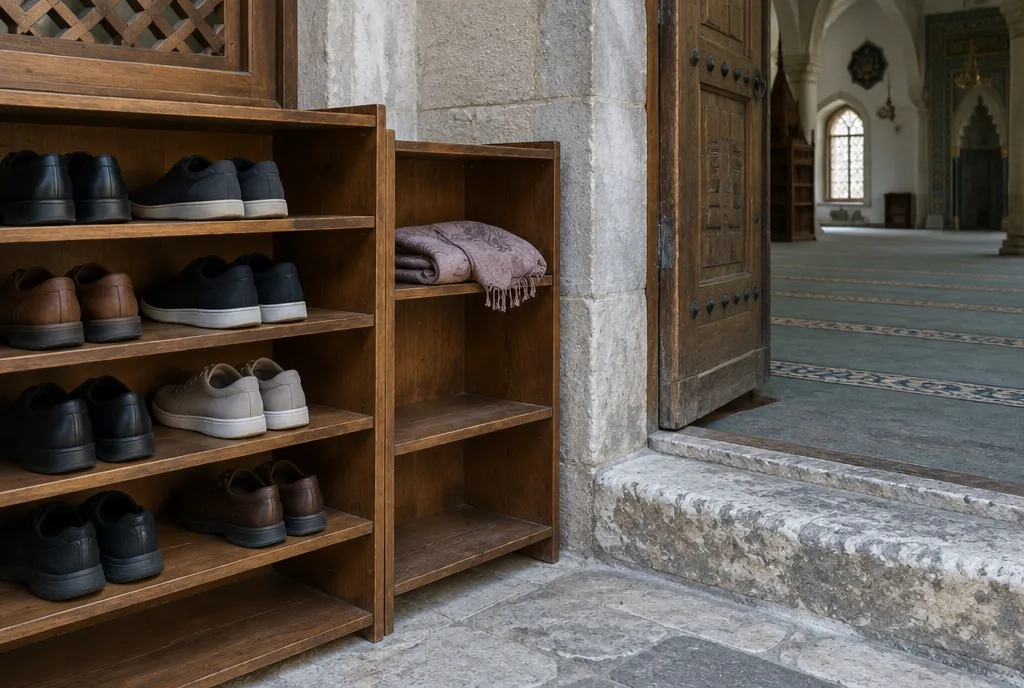
Because it’s a working mosque, visiting works a little differently than visiting a museum. Prayer times are set aside for worship, so it’s best to plan a visit around them rather than during them. Modest dress is expected, as it is at any mosque in the city — cover your shoulders, and bring a scarf if you’re a woman who’d rather have one on hand. None of this takes much planning.
It’s a small, quiet building. A short visit is usually enough to take in what makes it worth seeing: the dome overhead, the columns, and the feel of standing inside an early draft of Hagia Sophia.
Two Minutes From Our Door
Little Hagia Sophia sits 97 metres from Turna Hotel, about a two-minute walk. It’s an easy stop before breakfast, before the street gets busy. It’s the closest landmark to our door, closer than the sea and far closer than Hagia Sophia itself. Guests who care about Byzantine history tend to visit early, before the street gets busy.
If you want the fuller picture of this neighbourhood, our guide to the streets around Küçük Ayasofya covers the tea houses and the walk to the water. And if you’d like the exact walking times to everything else nearby, including Hagia Sophia itself, we’ve measured them all. For questions about visiting, or about which room puts you closest to the street, message us directly.